
Cove Moulding
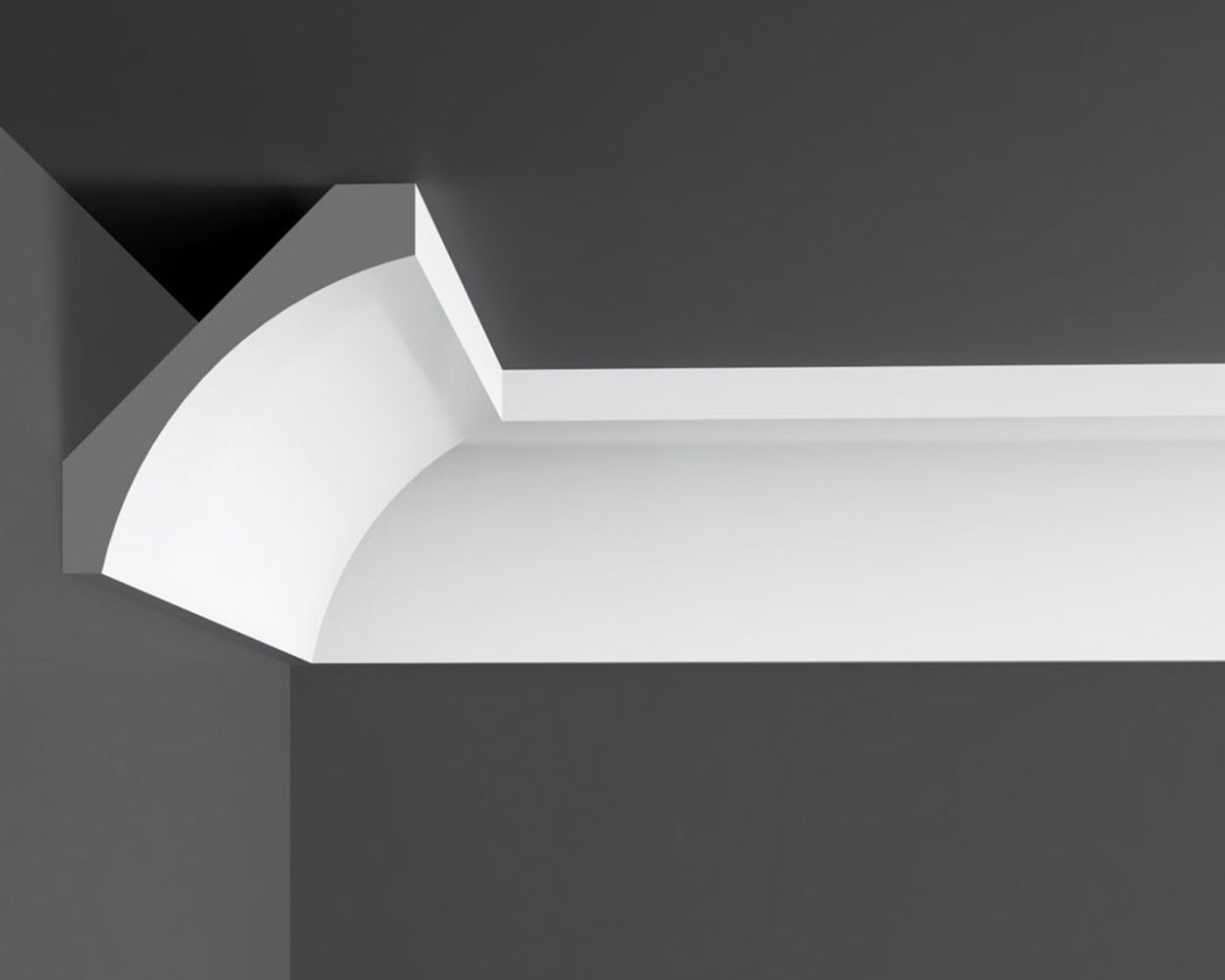
Cove Moulding adds a soft, concave curve wherever two planes meet. It smooths wall-to-ceiling joints, tidies cabinet tops, and finishes built-ins with a clean shadow line. If you’re wondering how this profile elevates a room without visual clutter, think subtle dimension, fewer visible gaps, and a truly finished edge that works in modern and traditional spaces alike.
What is Cove Moulding?
The Cove Moulding is a trim profile with a hollow, inward curve that is used to create gracious transitions between flat surfaces. Besides the typical installation point when the walls meet the ceilings, it also refines shelving, range hood edges, and furniture edges. Available in wood, MDF, polyurethane, and PVC, it’s lightweight, paintable or stainable, and forgiving on slightly uneven drywall or plaster.
What really makes this profile stand out is the way its concave shape plays with light and shadow. In lieu of loud ornamentation, you get a clean reveal line that feels timeless. It pairs easily with simple baseboards, contemporary casings, or more decorative crown, so the look can skew minimalist or classic without reworking the rest of your trim package. With careful selection of radius and proportion, you can fine-tune the vibe from sleek and modern to warm and traditional.
Cove Moulding Profiles
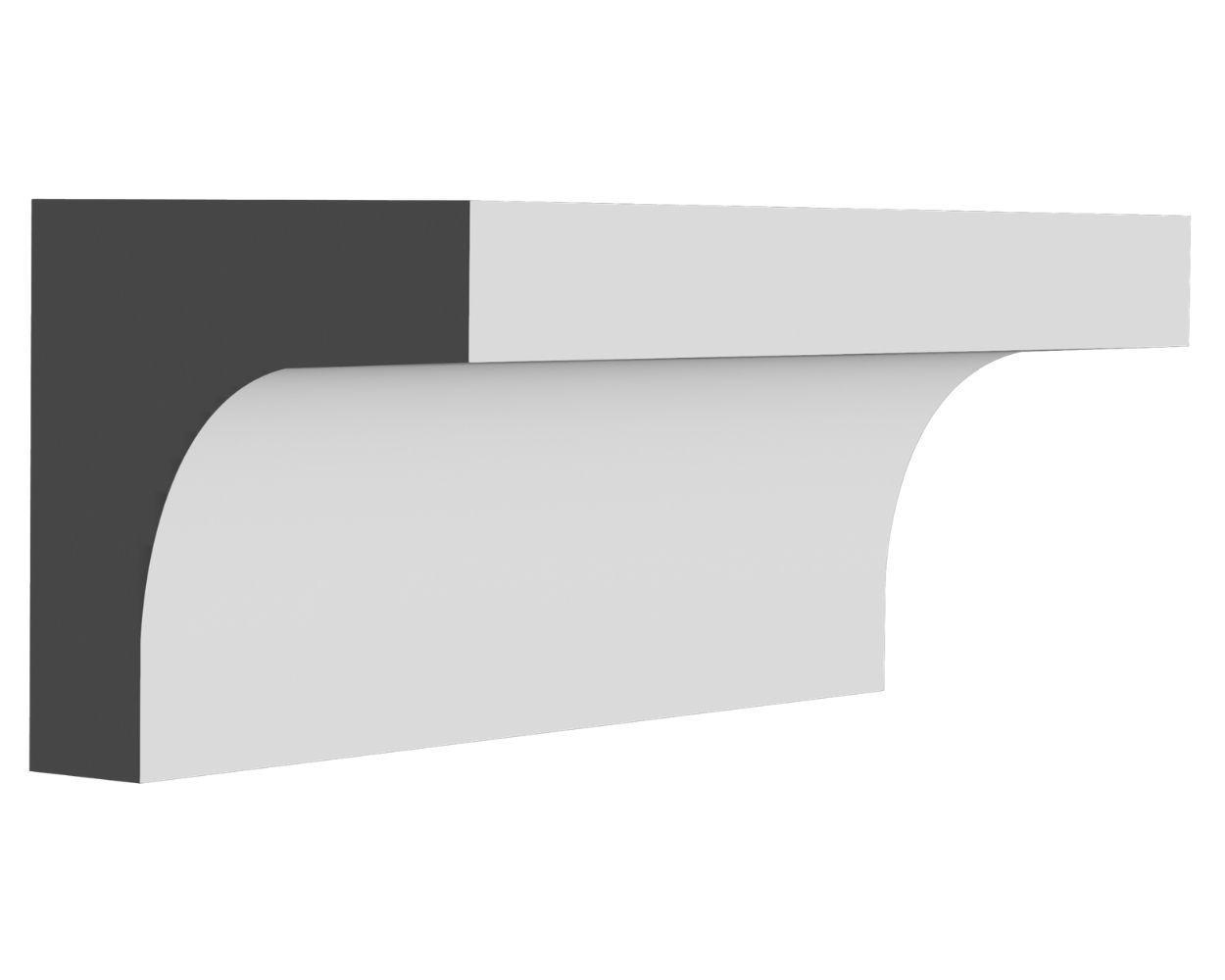
W-40
1/2" x 1/2"
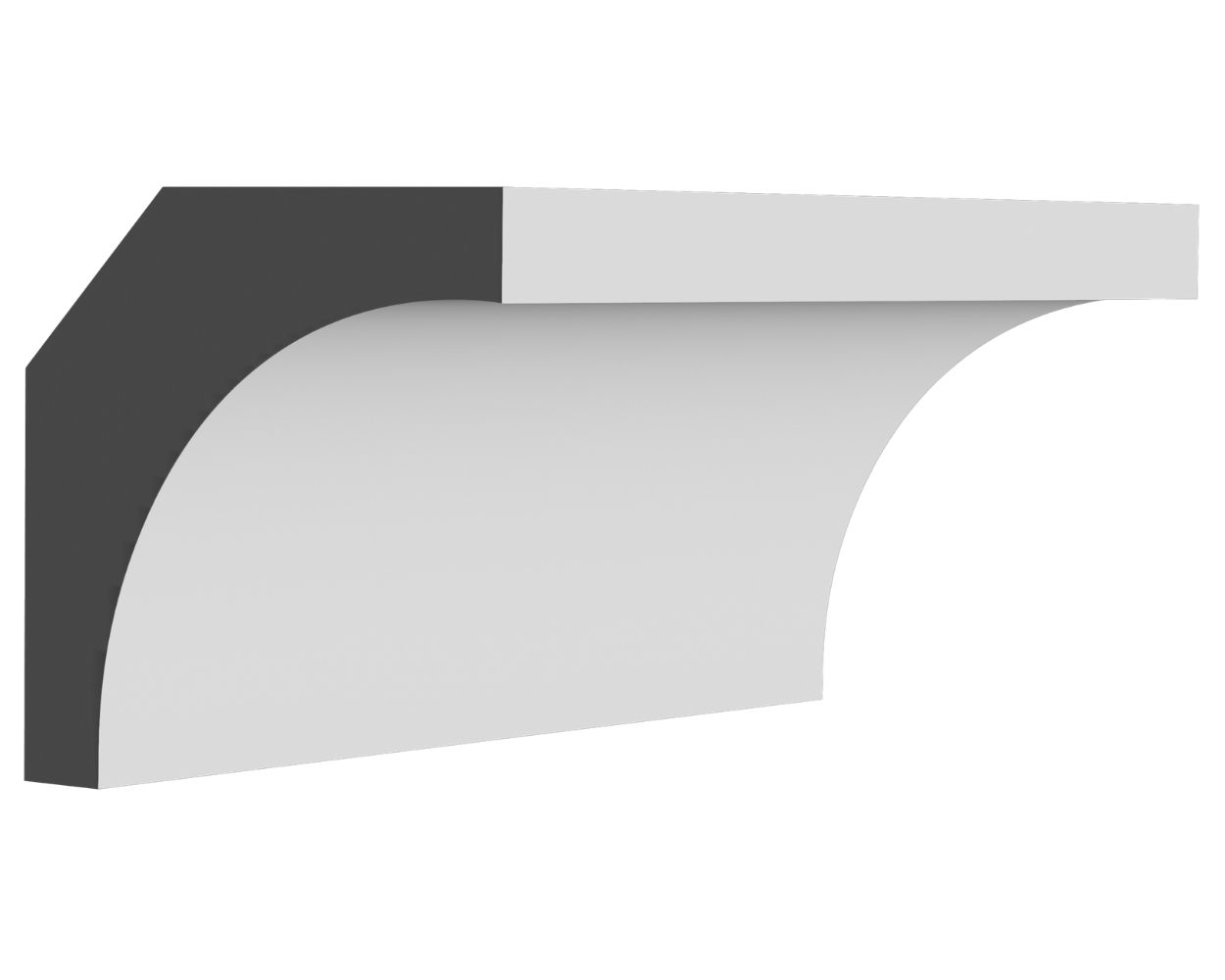
W-41
3/4" x 3/4"
Cove Moulding Wood Species
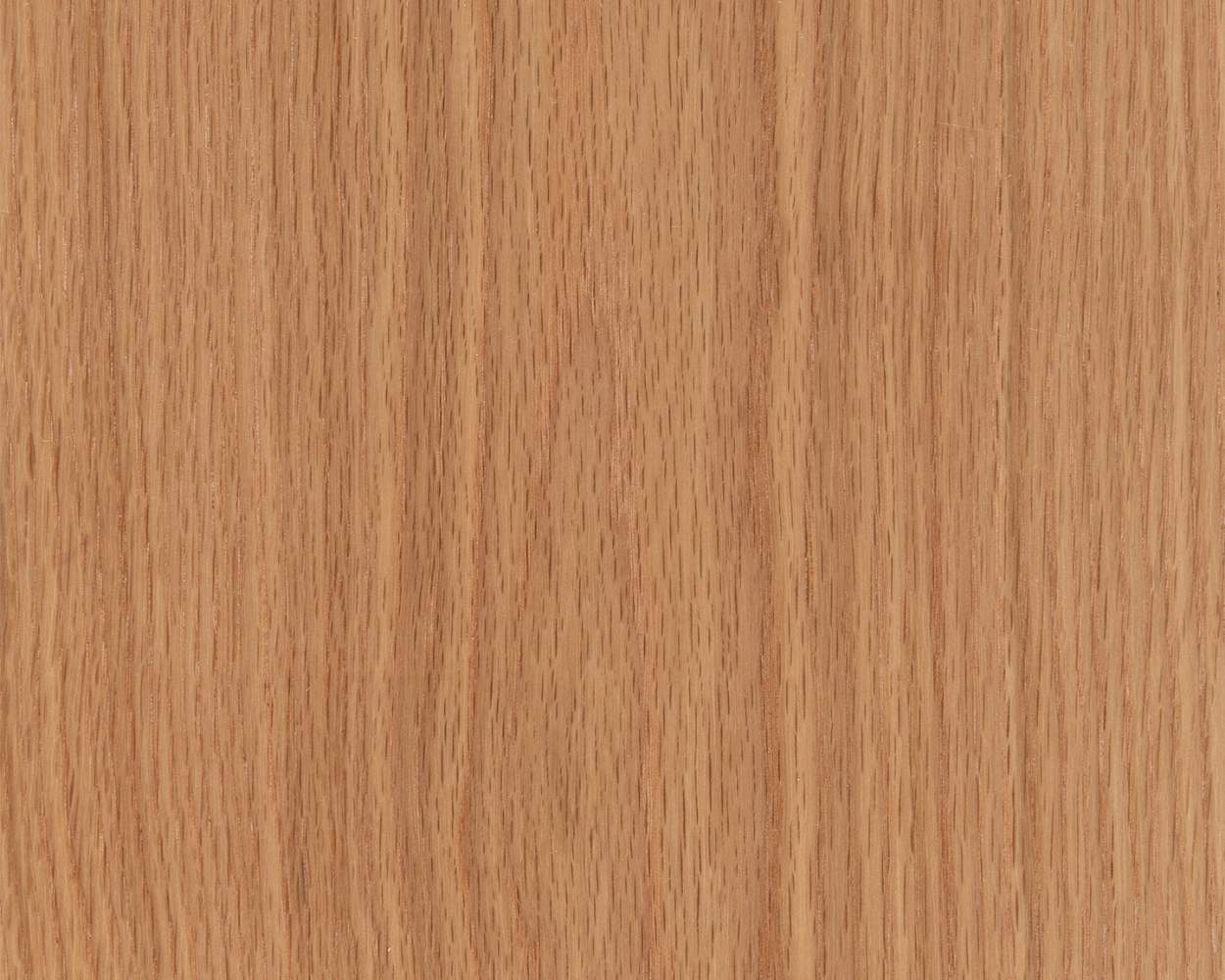
Oak
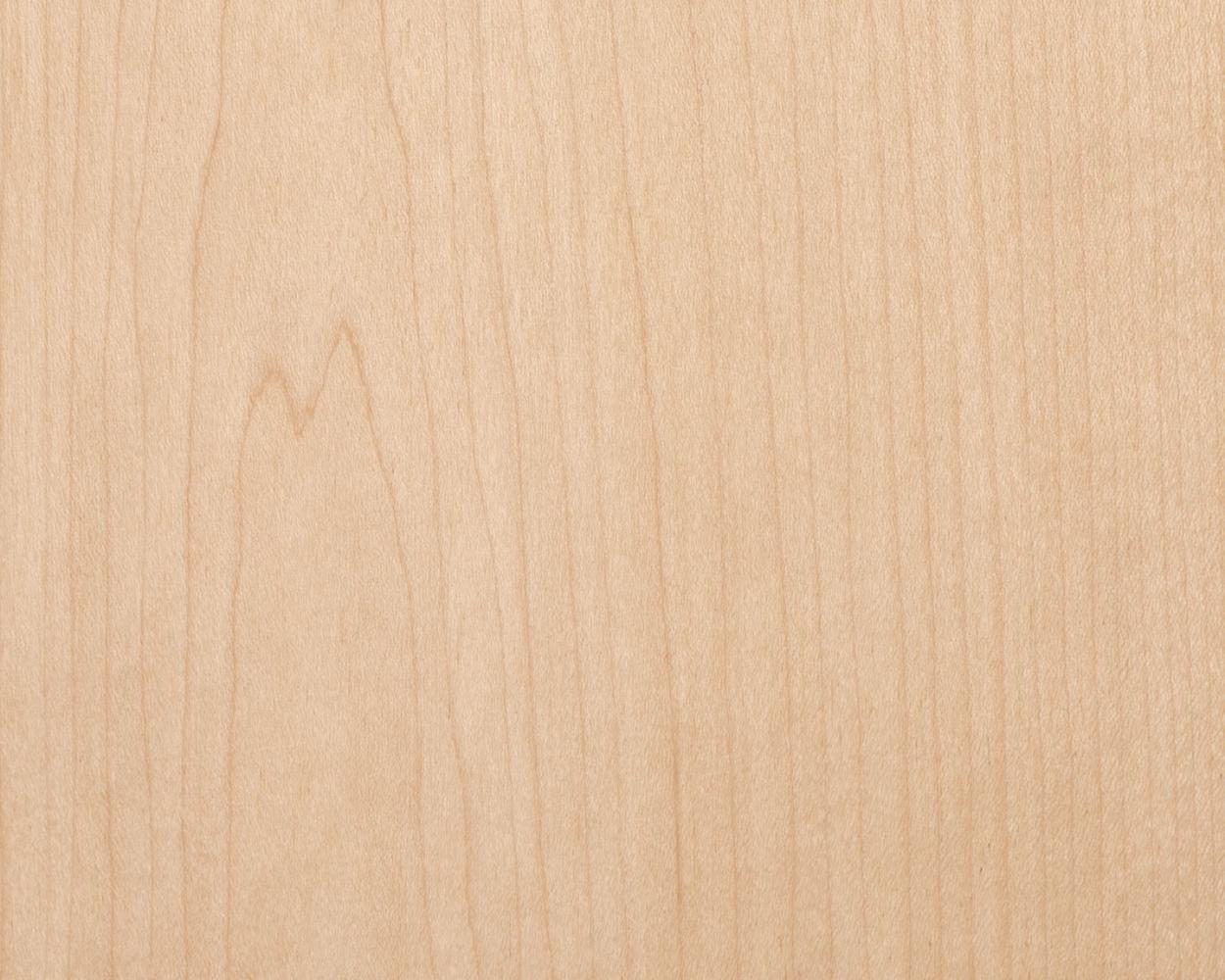
Maple
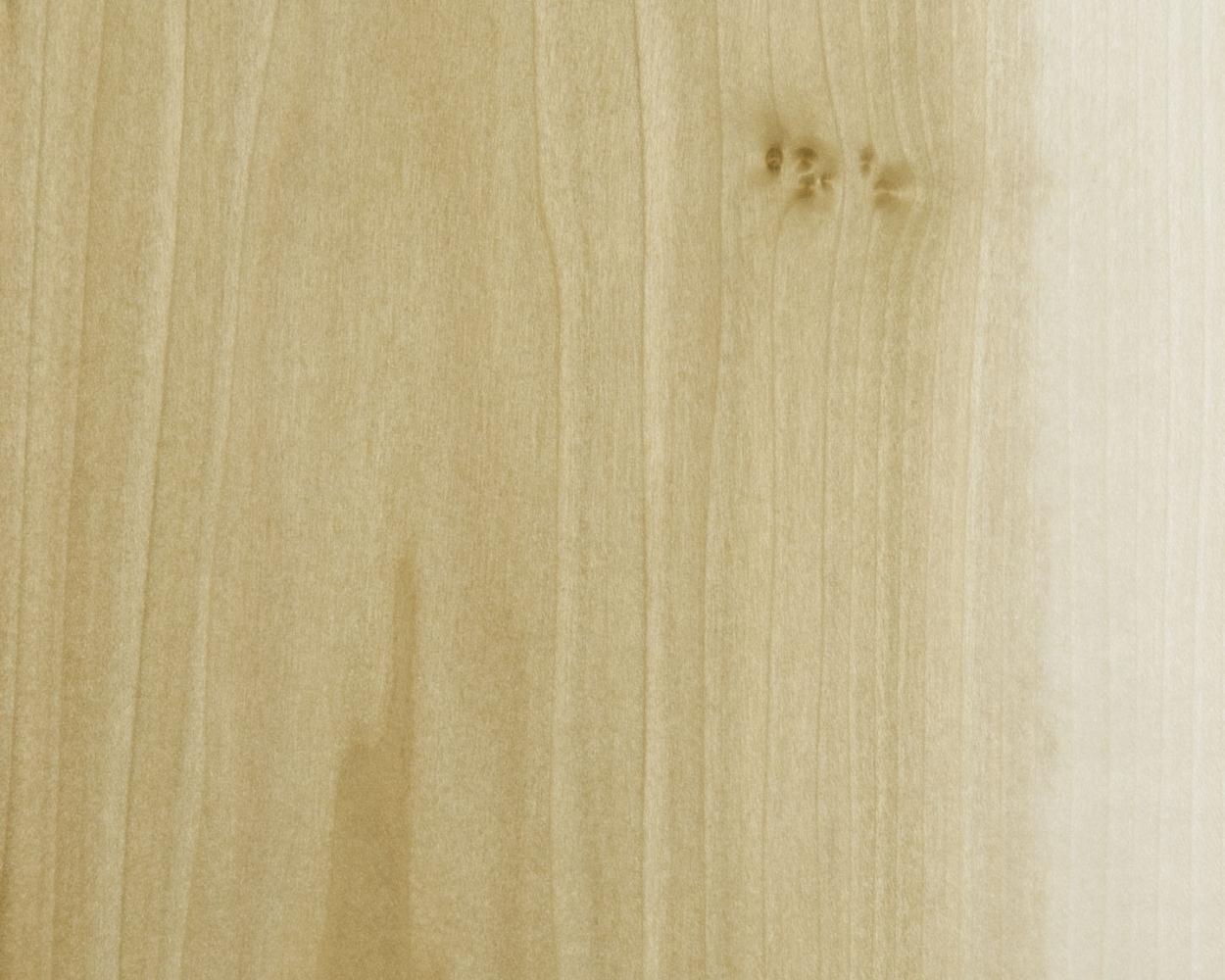
Poplar
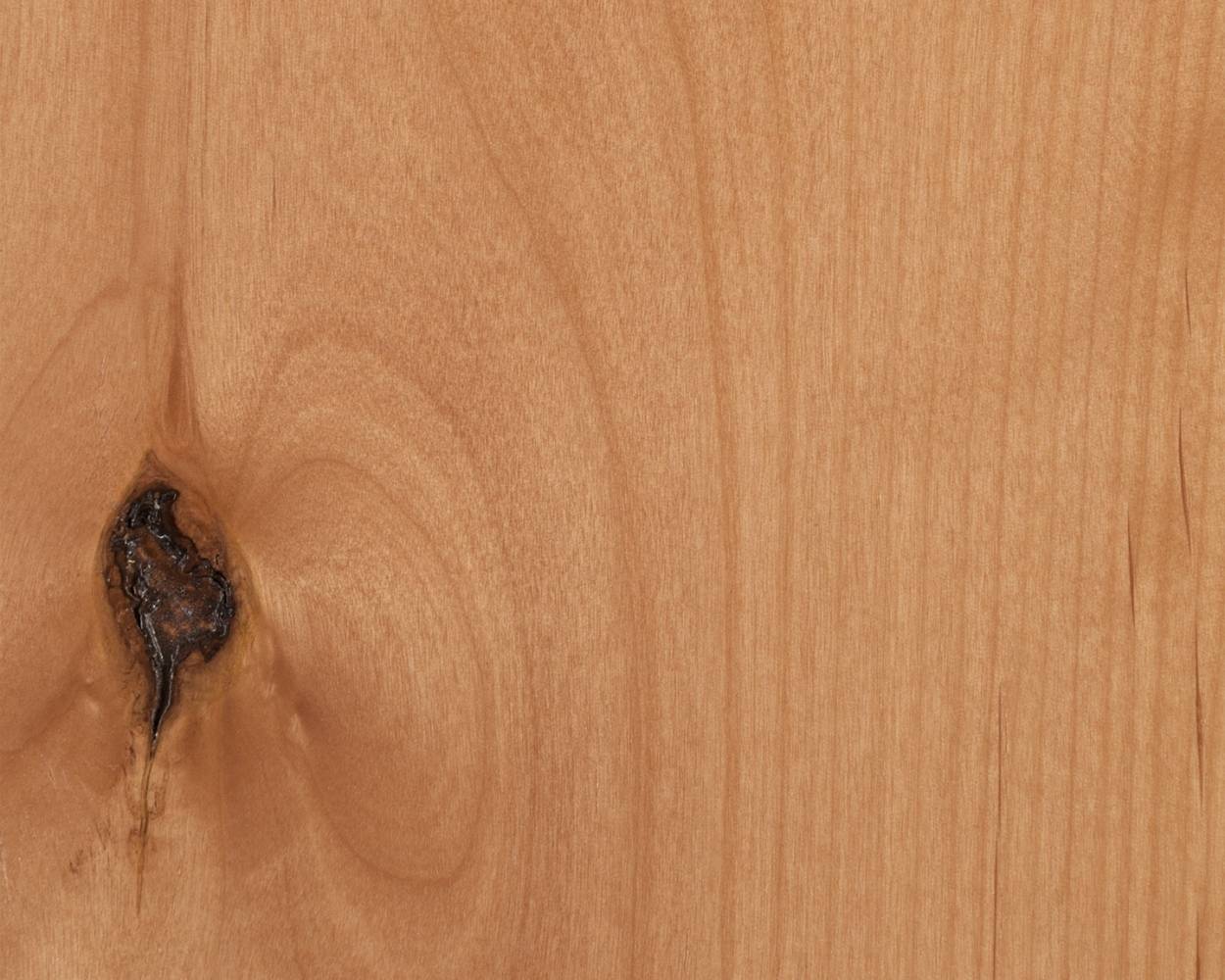
Knotty Alder
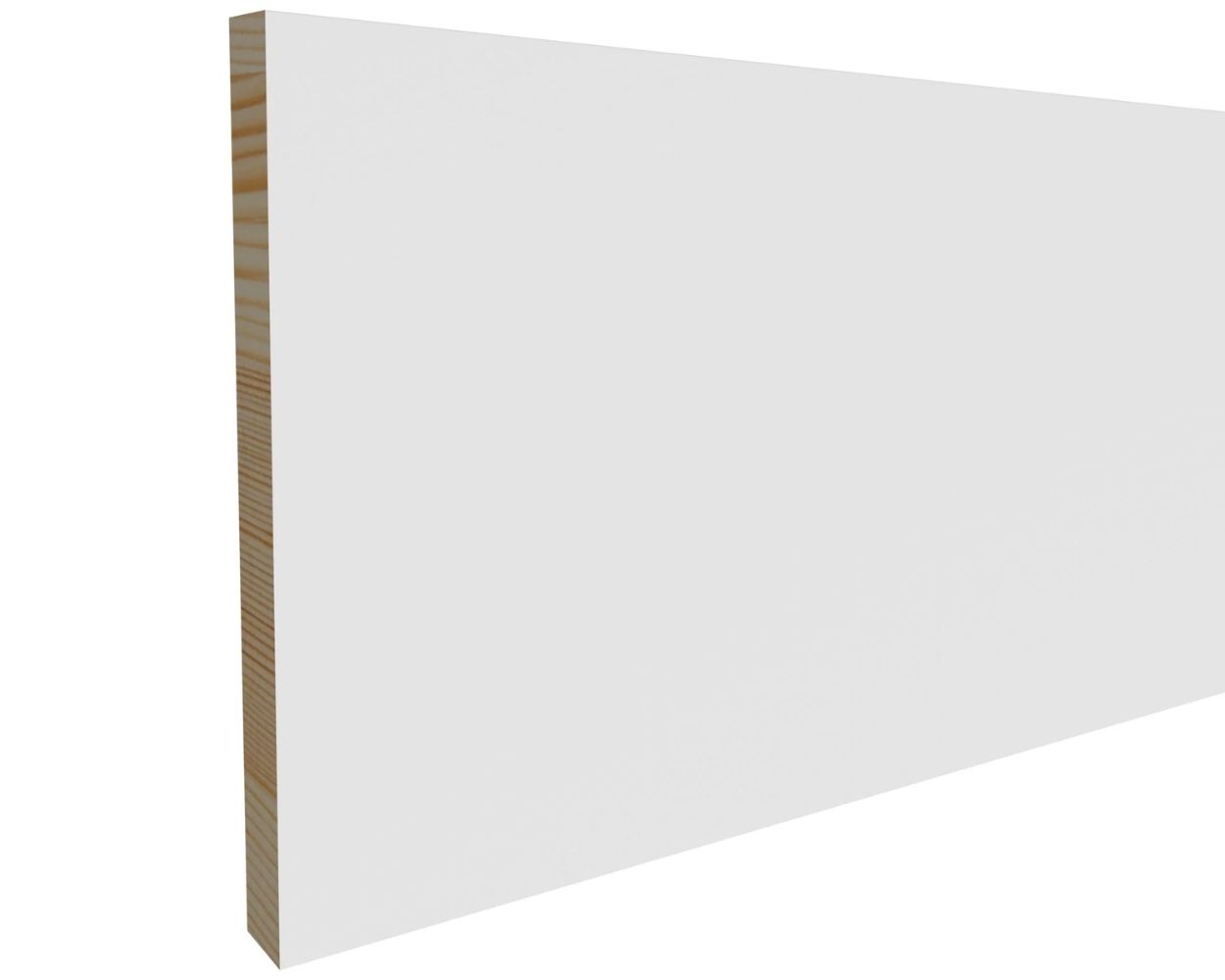
Primed
Where to Use Cove Moulding
Ceilings and Walls
Provides a smooth, finished joint that obscures minor irregularities at joints. The subtle bend also rounds out harsh intersections for a more subdued visual line.
Cabinetry and Built-Ins
Add depth and definition to upper cabinets, bookcases, and entertainment centers. It's an easy way to make stock pieces feel custom without a full redesign.
Staircases
Finish stringers and landings with a clean, curved transition for a polished look. The profile helps disguise slight variances that often appear along long runs.
Trim Combinations
Layer with crown or base to create a bespoke architectural look. Blending profiles adds depth and maintains an understated overall feel.
Frequently Asked Questions
What's the difference between this and crown moulding?
Crown projects with angled faces, while this concave profile delivers a softer, slimmer reveal.
Is it suitable for modern interiors?
Yes. The minimal curve reads clean and intentional, enhancing contemporary spaces.
Can it be installed in kitchens or baths?
Yes - use moisture-resistant materials and proper fasteners in humid locations.
Is installation DIY-friendly?
It usually is. Consistent stock sizes along with easy coping make tight seams possible. How would I complete it? Paint to blend into walls or ceilings, or stain to feature natural grain and contrast.
Connect with a Moulding Expert
Have questions or interested in working with us? Contact us today to get started.
Types of Moulding Profiles
Choose Your Perfect Moulding Profiles
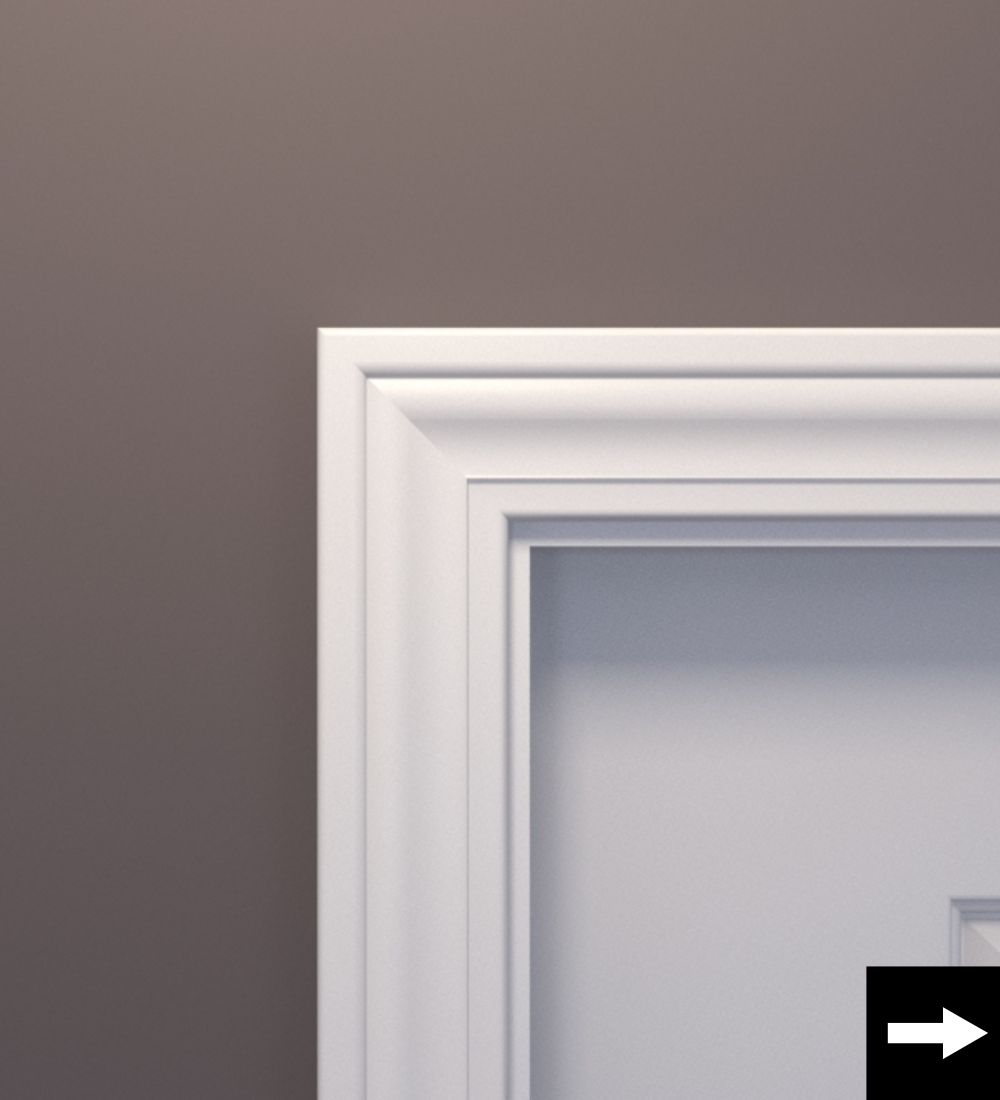
Used to frame doors and windows, casing moulding provides a clean transition between the wall surface and openings while adding architectural definition.
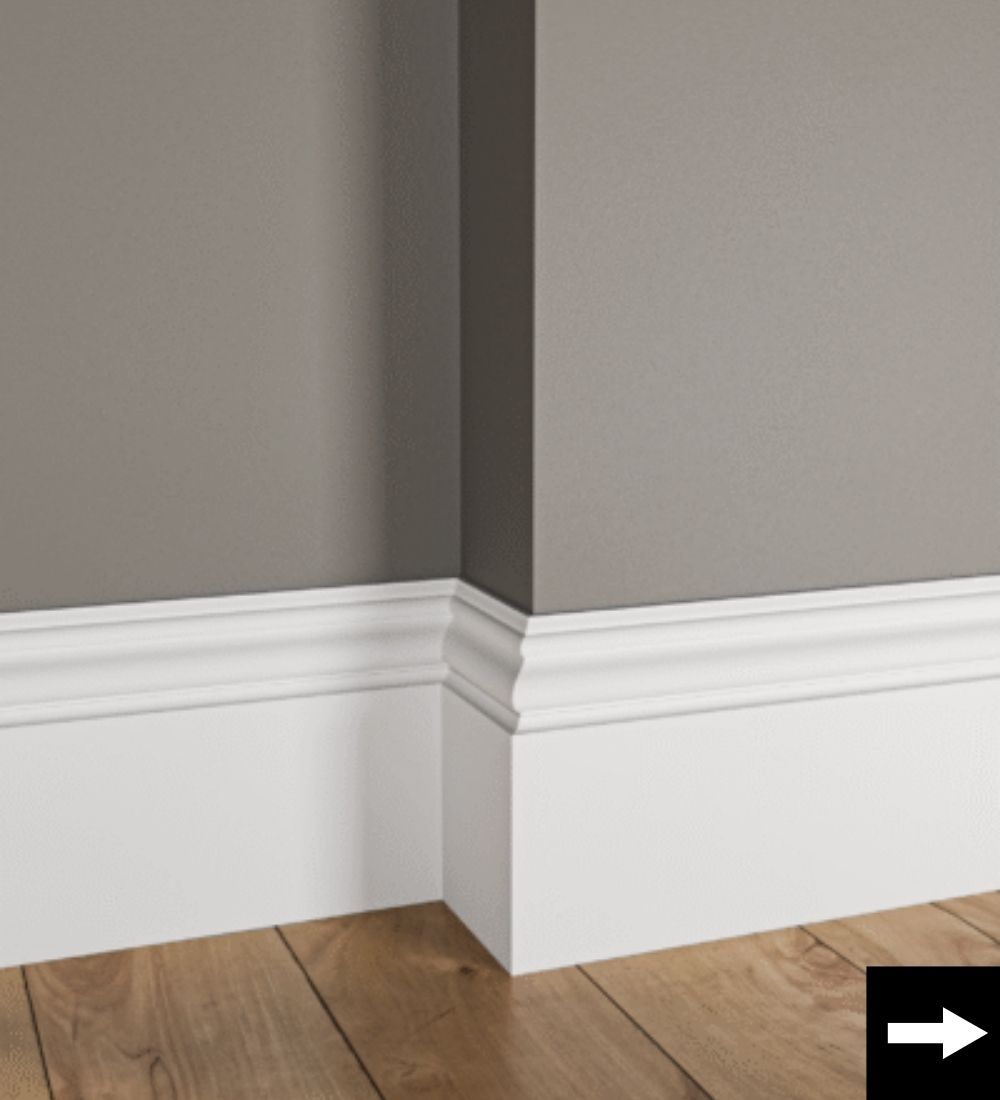
Installed where the wall meets the floor, base moulding protects walls from impact and creates a finished, cohesive look throughout the room.
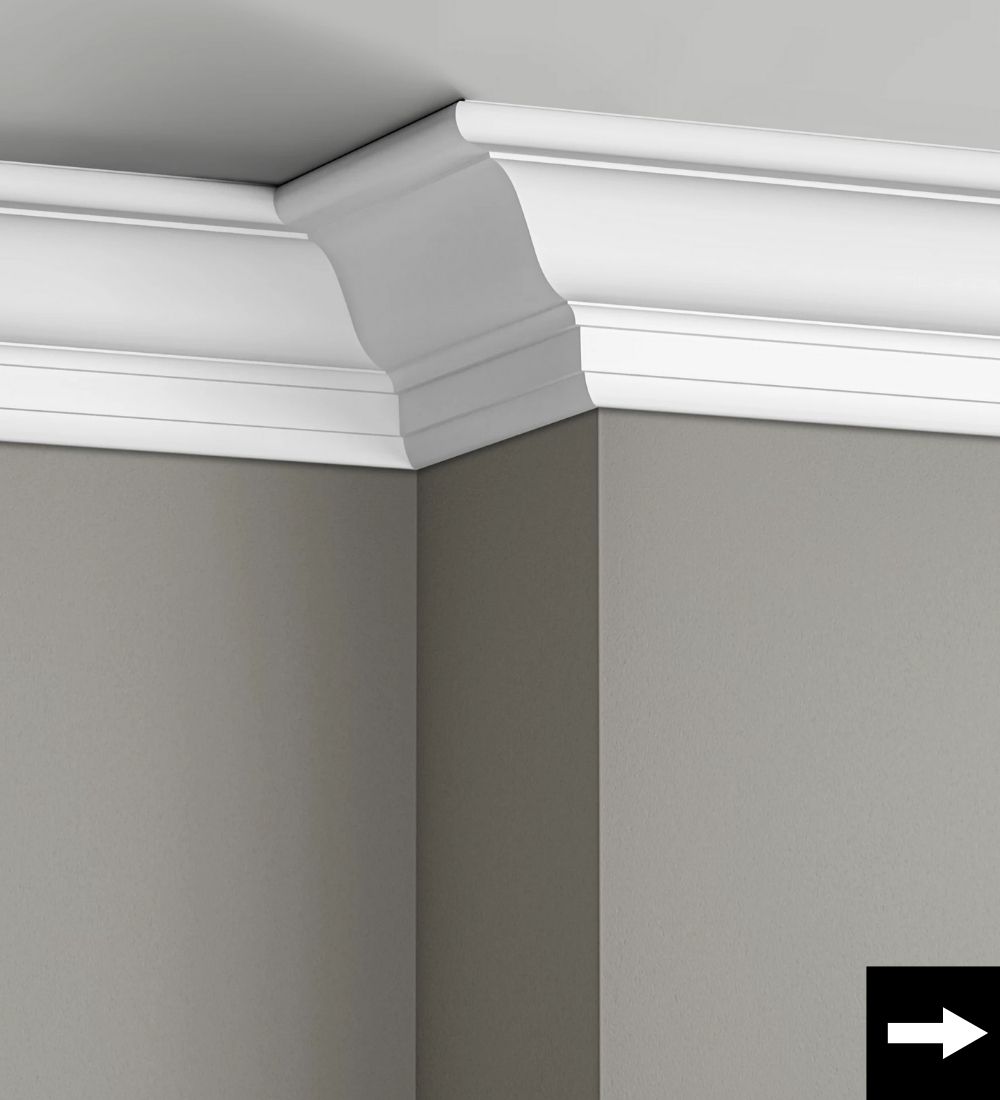
A decorative element installed where walls meet the ceiling, crown moulding adds depth, dimension, and elegance to any interior.
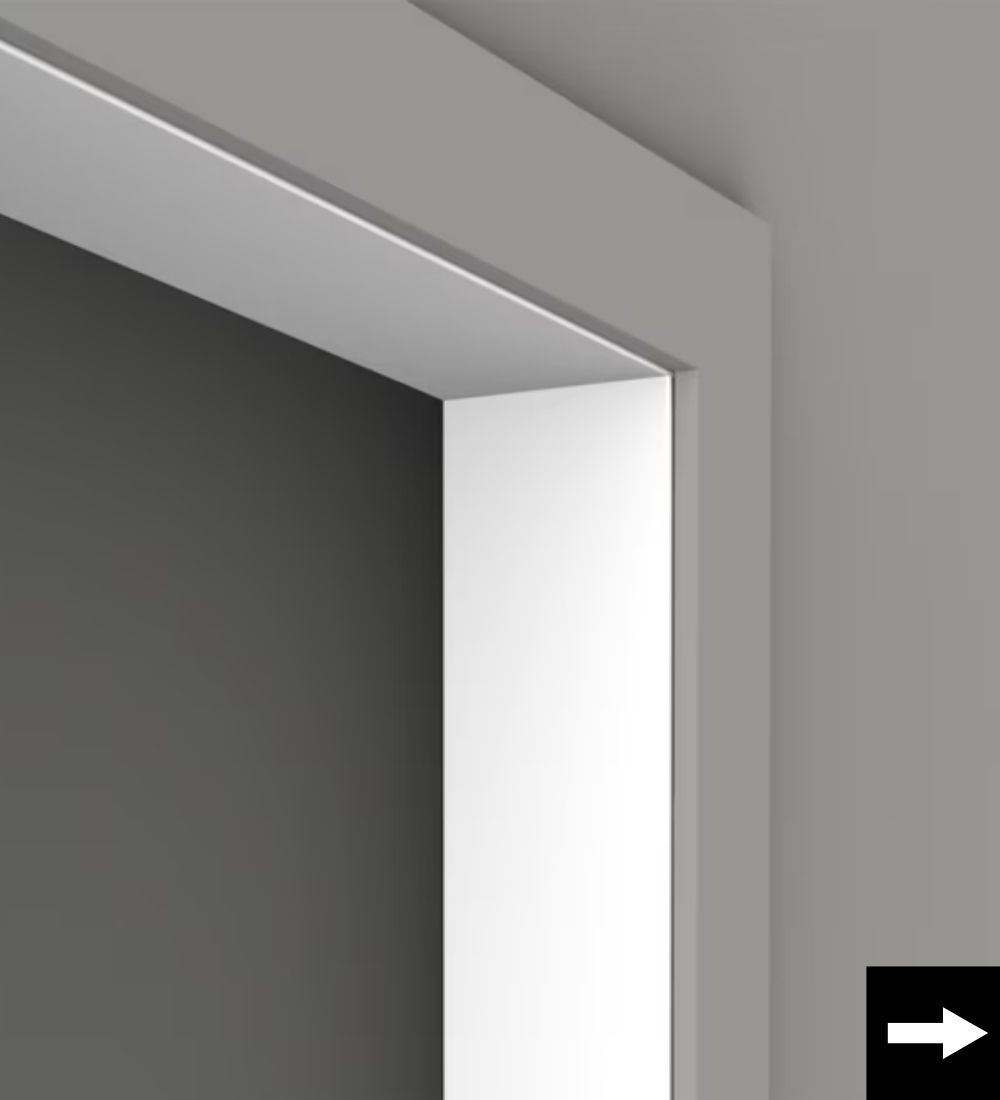
Door jambs form the vertical and horizontal framework that supports a door within its opening, ensuring a precise fit and smooth operation.
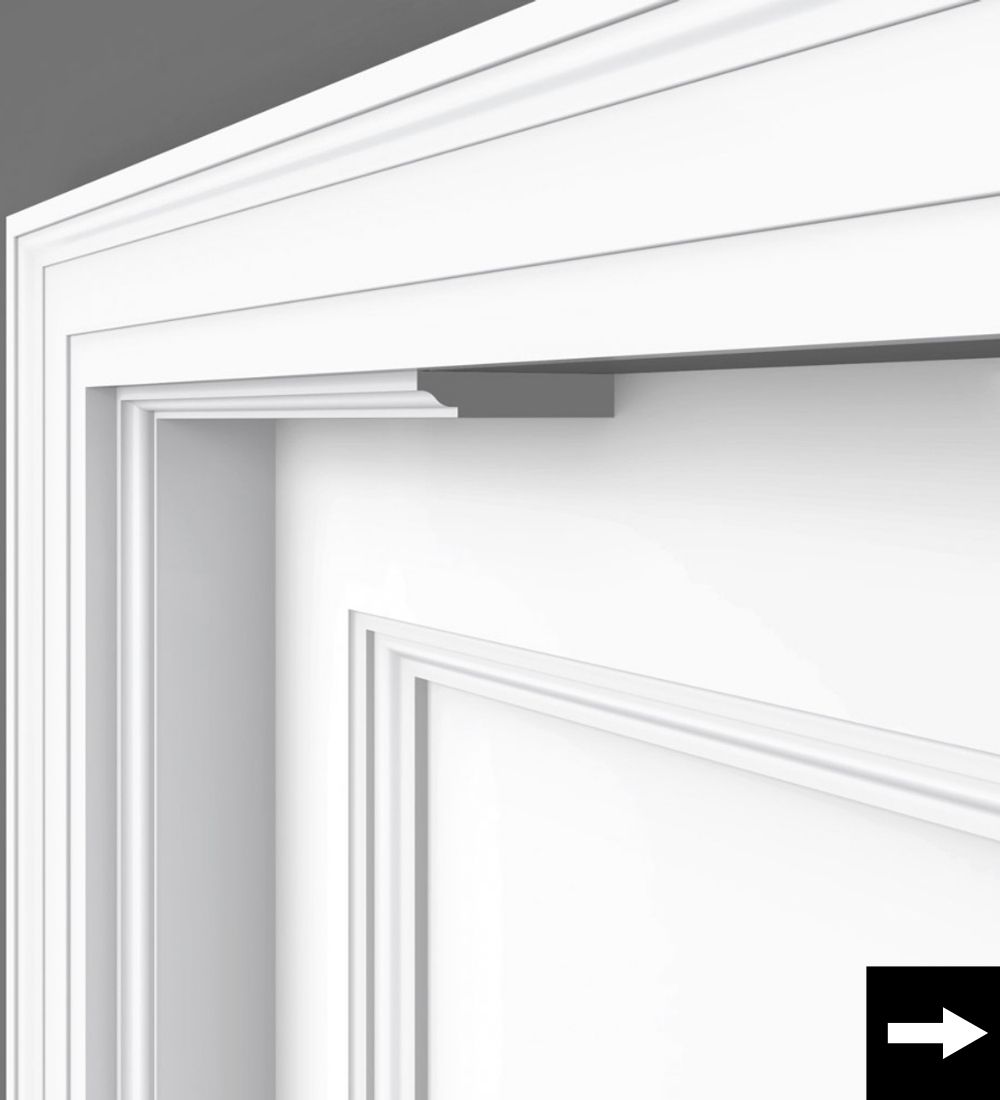
Door stops are fitted within the jamb to control the door’s closing position, preventing damage and creating a snug, finished seal.
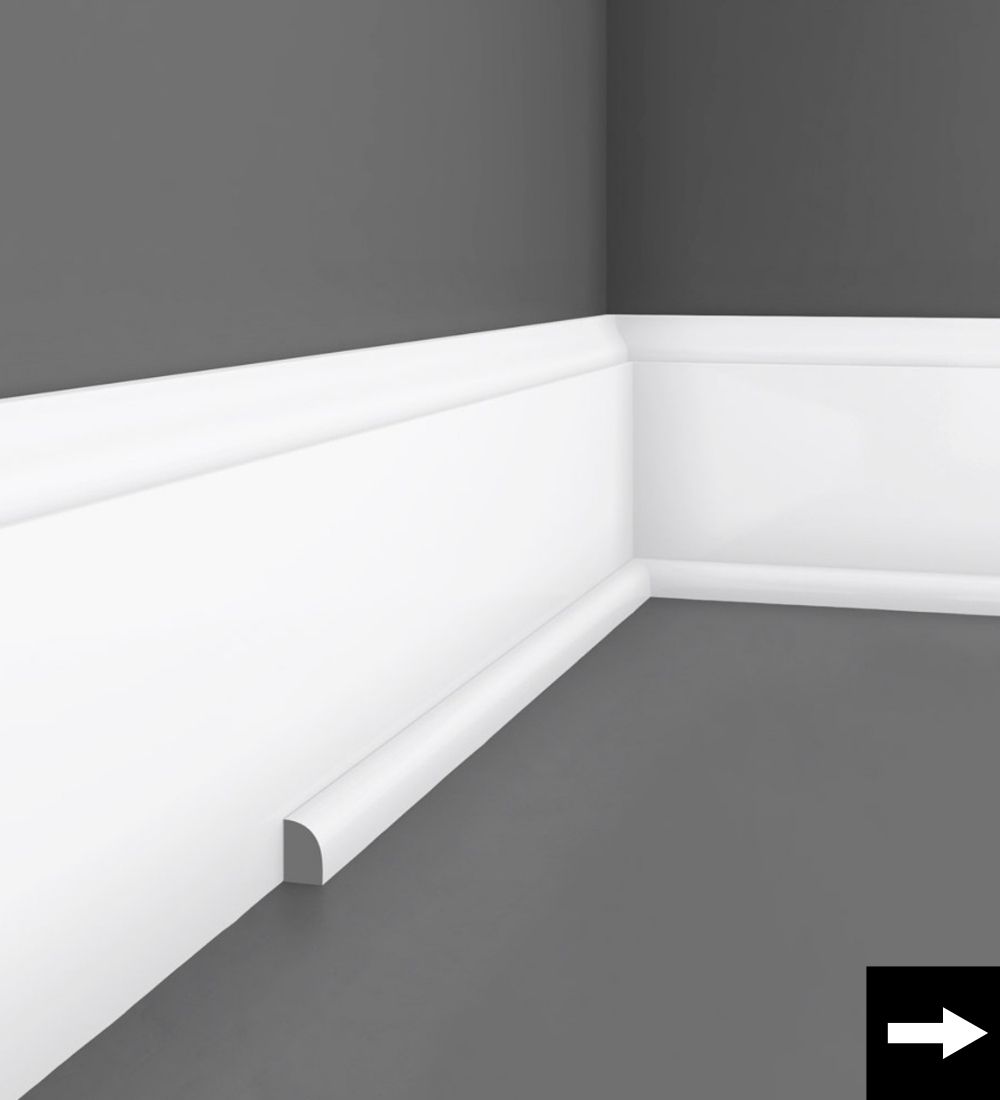
A small, rounded trim piece installed at the bottom of base moulding to conceal gaps between the floor and wall, often used with hardwood or tile flooring.
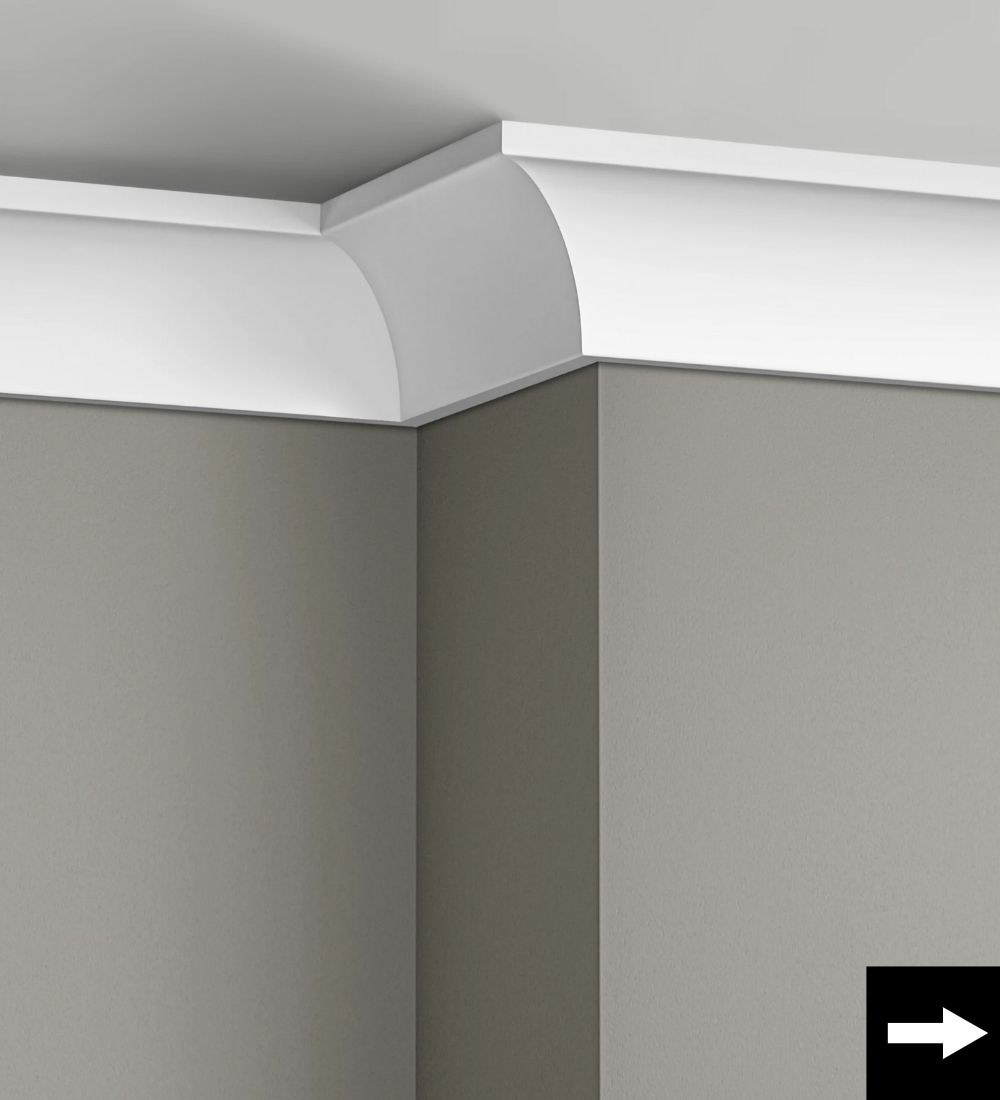
Curved and smooth in profile, cove moulding is perfect for soft transitions between surfaces or as a decorative detail in cabinetry and ceilings.
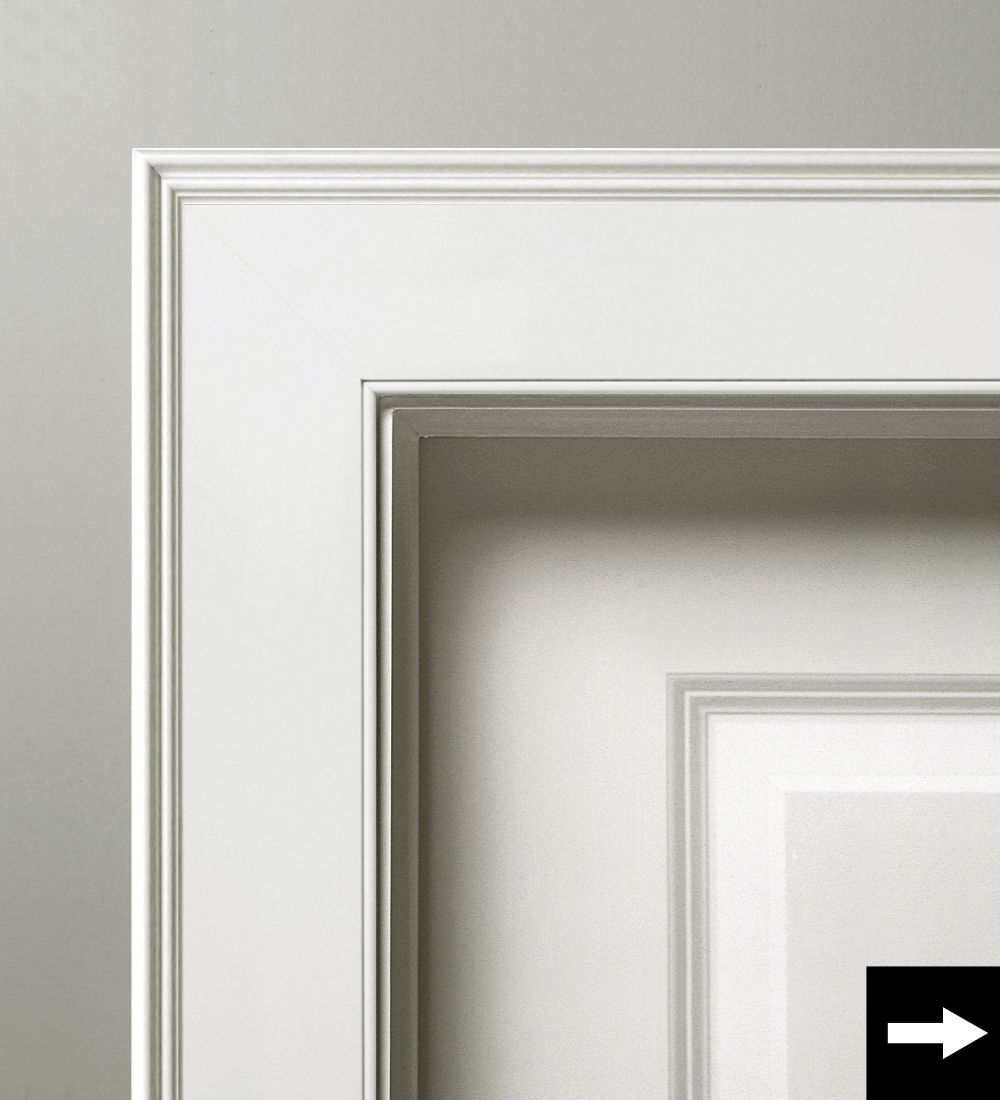
Specially designed to meet fire-resistance requirements, fire-rated casing provides both safety and a clean, consistent appearance around rated door openings.
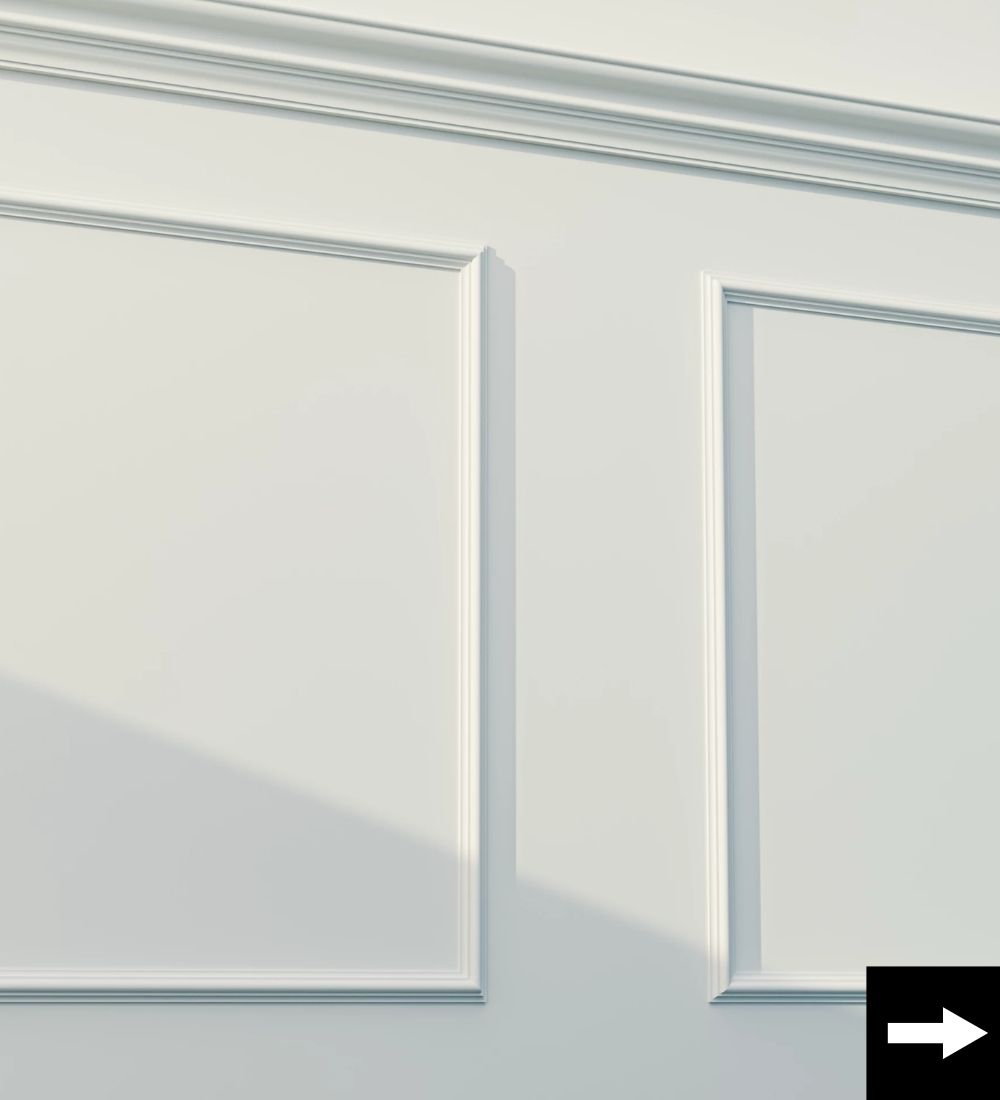
Panel moulding adds depth and texture to walls or ceilings, ideal for wainscoting, feature walls, or creating custom architectural detailing.
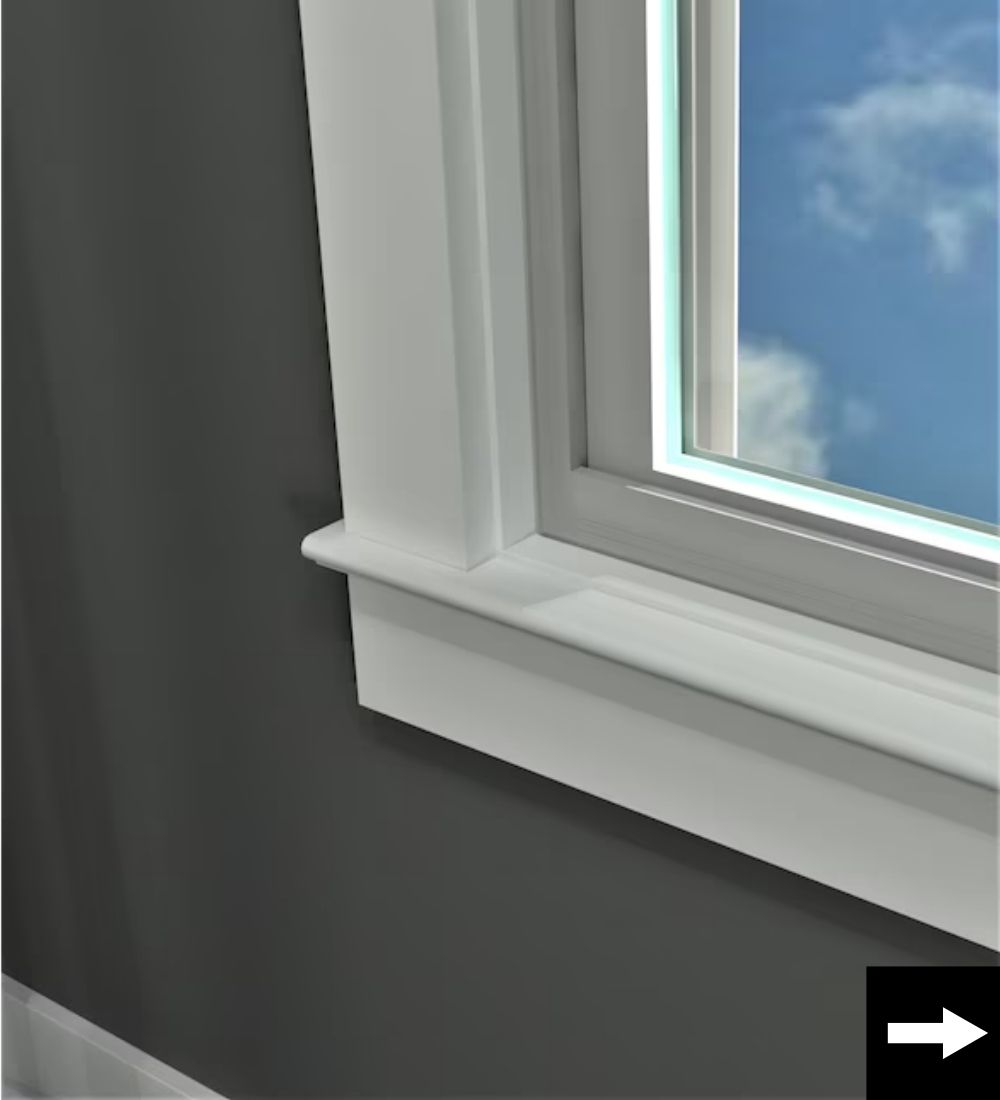
Used to hold glass securely within a door or frame, glass stop moulding ensures a safe, neat, and professional finish.
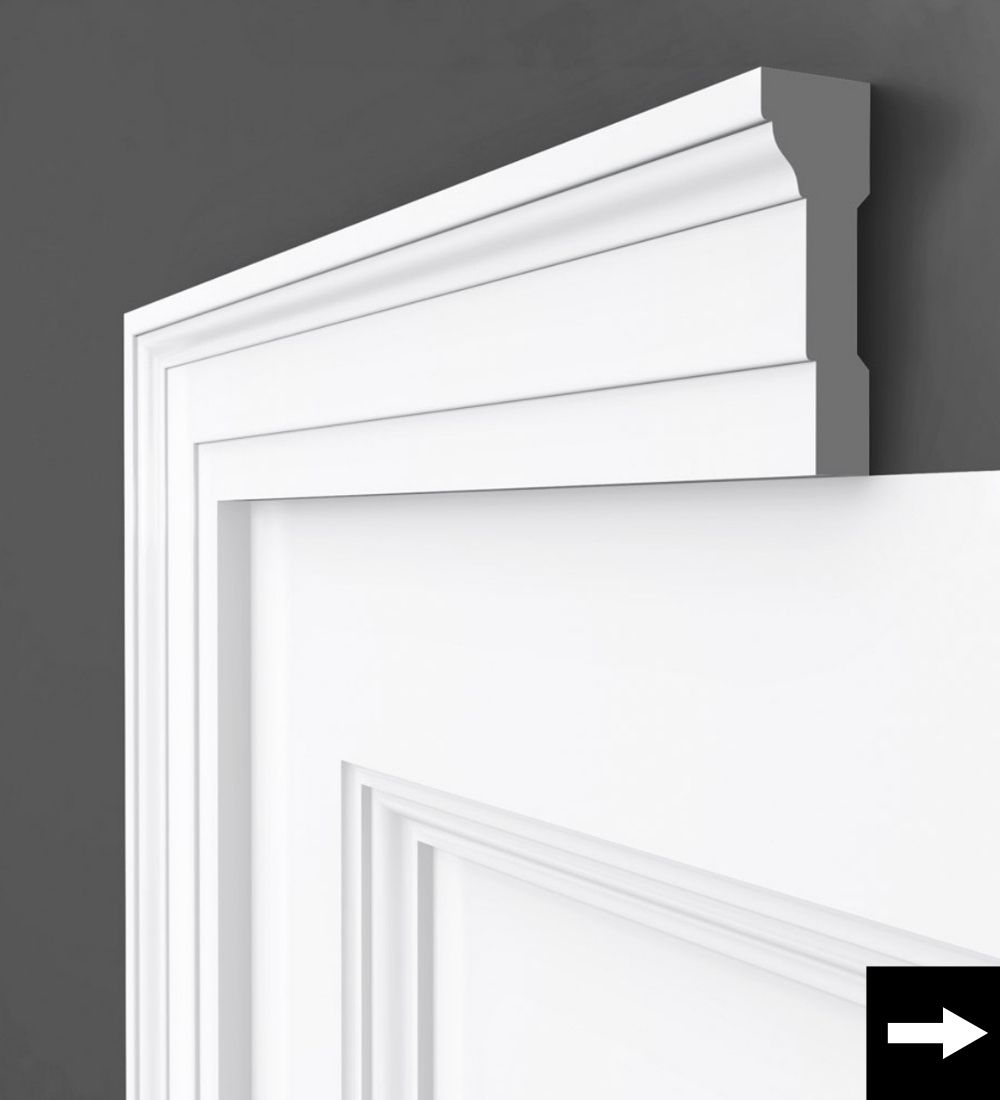
Additional trim profiles and specialty mouldings designed to meet unique design, installation, or restoration needs — available in a variety of materials and styles.
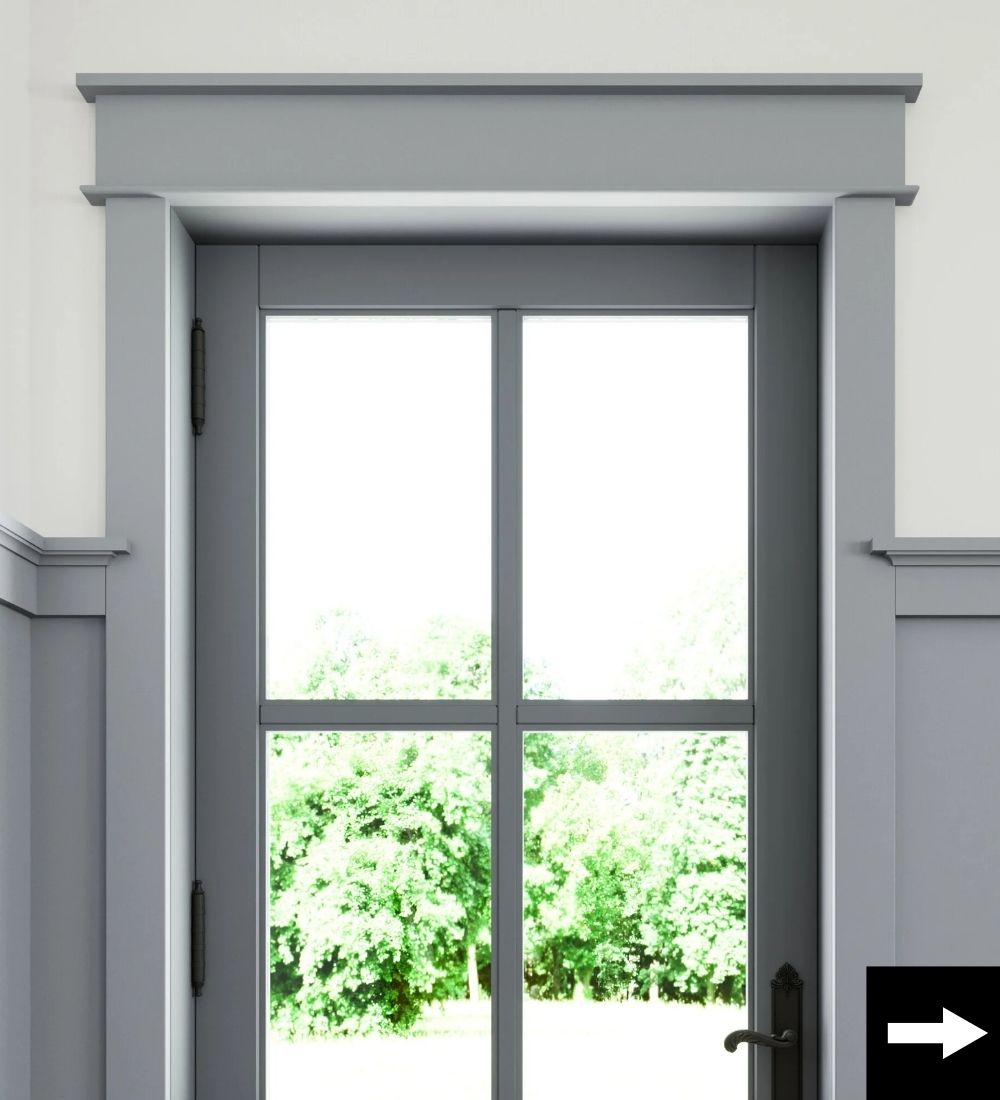
Decorative header elements that can be selected from our specialty designs or built entirely from scratch.
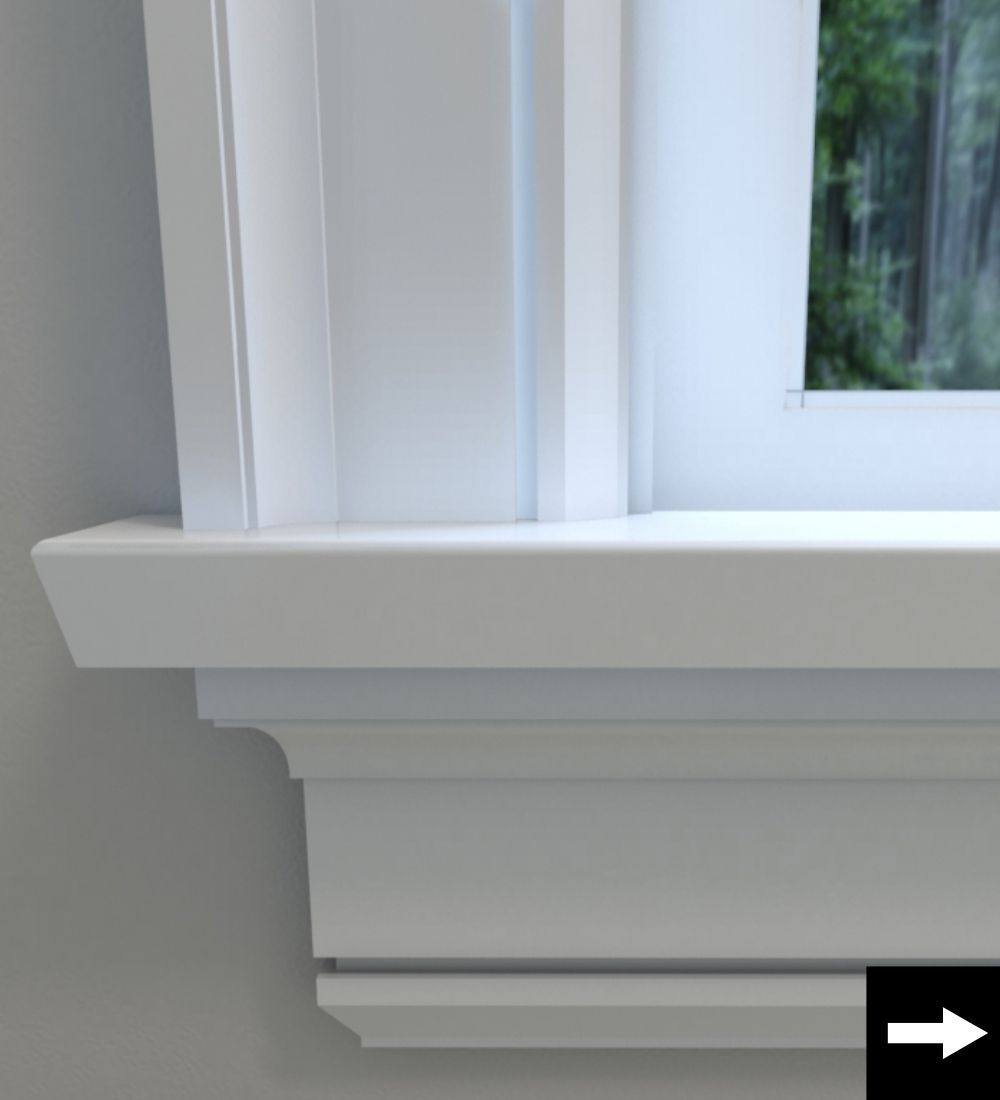
Custom-milled apron profiles that coordinate seamlessly with casing and base selections.
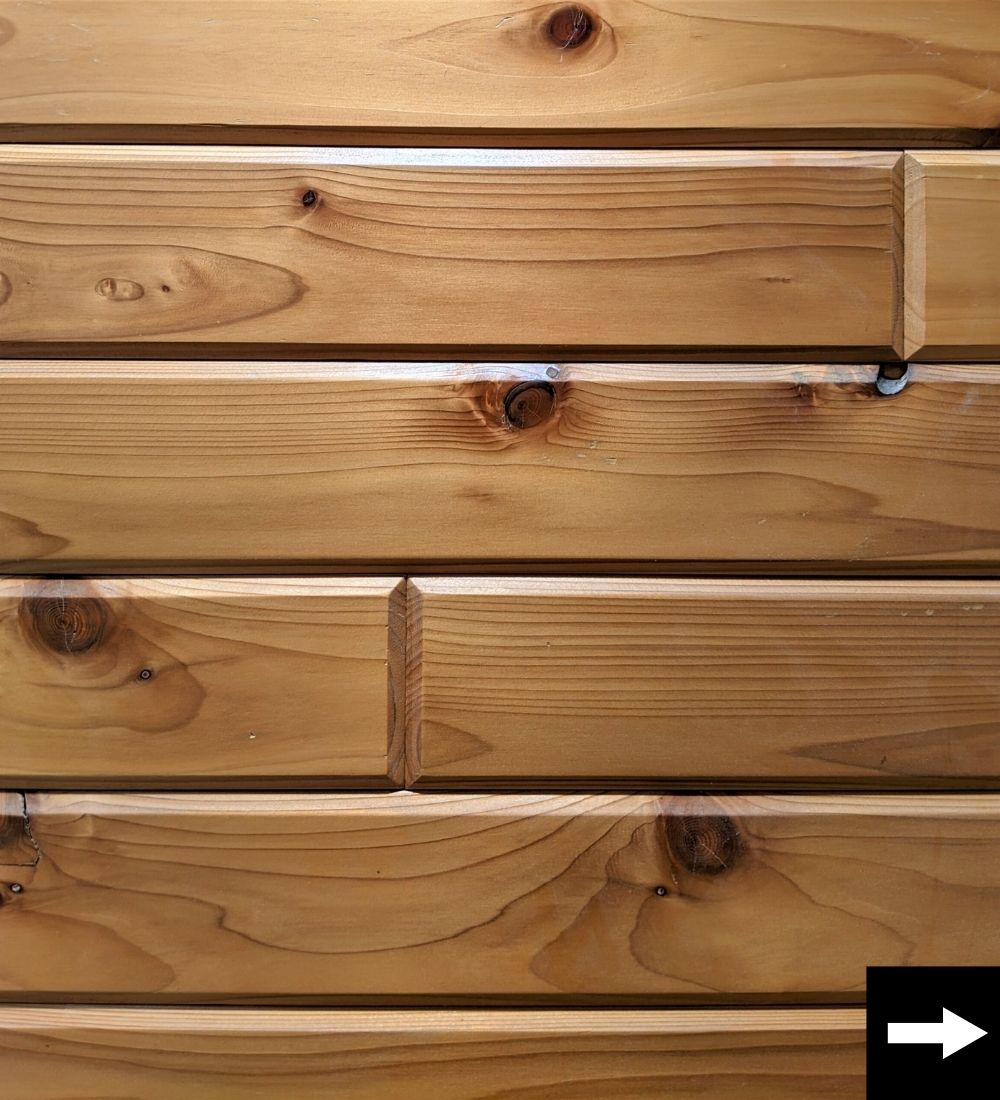
Specialized T&G moulding created to meet specific width, reveal, and edge detail preferences.
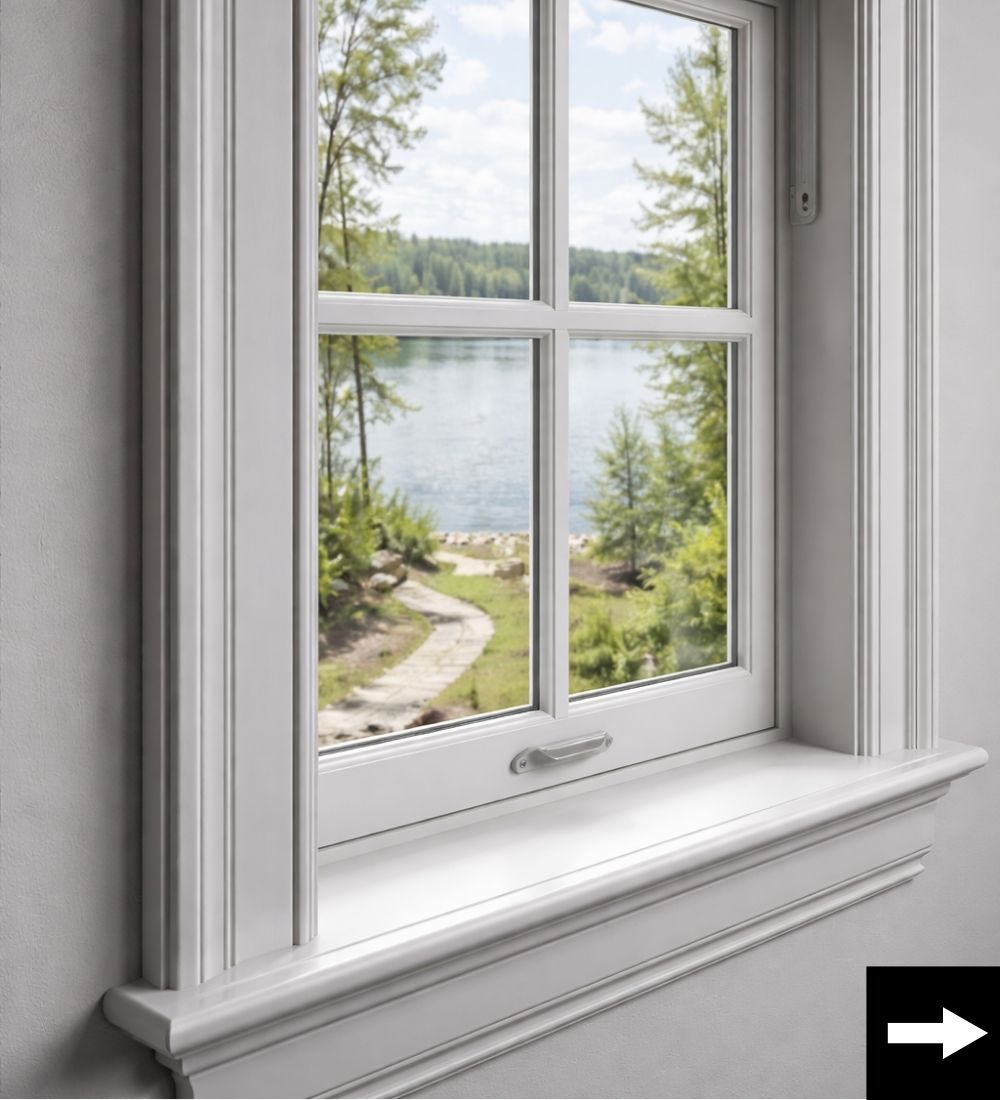
Precision-milled specialty and fully custom wood profiles crafted to elevate your project from concept to completion.




© 2026 Woodwork Manufacturing. All Rights Reserved.